Learning Outcomes
By the end of this lesson, students will be able to:
i. Define and explain the concept of allotropy, the ability of an element to exist in different structural forms with distinct physical properties.
ii. Identify examples of allotropes, recognizing different structural forms of the same element.
iii. Describe the relationship between the structure of an allotrope and its physical properties, such as melting point, hardness, and electrical conductivity.
iv. Explain the different allotropes of carbon, including diamond, graphite, and graphene, and their unique properties and applications.
v. Appreciate the significance of allotropy in various fields, such as material science, chemistry, and technology.
Introduction
The world of elements is often perceived as a realm of simplicity, where each element possesses a single, well-defined structure. However, nature holds surprises, and allotropy, a fascinating phenomenon, challenges this notion. Allotropy is the ability of an element to exist in different structural forms, each with distinct physical properties.
i. Allotropy: A Tale of Structural Versatility
Allotropy arises from the different ways in which atoms of the same element can arrange themselves in a solid state. These different arrangements, known as allotropes, lead to variations in the element's physical properties, such as melting point, hardness, and electrical conductivity.
Examples of Allotropes
Numerous elements exhibit allotropy, including:
Carbon: Diamond, graphite, and graphene
Sulfur: Rhombic sulfur and monoclinic sulfur
Phosphorus: White phosphorus and red phosphorus
Tin: White tin and gray tin
Iron: Alpha iron and gamma iron
ii. Structure-Property Relationships
The structure of an allotrope plays a crucial role in determining its physical properties. For instance:
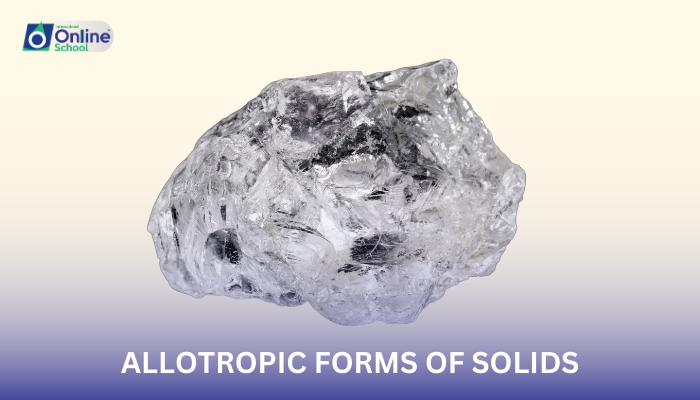
Diamond: The tightly packed tetrahedral arrangement of carbon atoms in diamond contributes to its extreme hardness, high melting point, and low electrical conductivity.
Graphite: The layered structure of carbon atoms in graphite, where atoms are arranged hexagonally within sheets, results in its softness, low melting point, and high electrical conductivity in one direction.
Graphene: The single layer of carbon atoms arranged in a hexagonal lattice in graphene exhibits exceptional properties, including high strength, flexibility, and exceptional electrical conductivity.
iii. Allotropy in Action**
Allotropy has significant implications in various fields:
Material Science: The selection of the appropriate allotrope of an element for a specific application is crucial. For example, diamond is used in cutting tools due to its hardness, while graphite is used in pencils and lubricants due to its softness.
Chemistry: Allotropy influences chemical reactivity. For instance, white phosphorus is highly reactive, while red phosphorus is less reactive.
Technology: Technological advancements have led to the development of novel allotropes with enhanced properties. For example, carbon nanotubes, a form of carbon with a cylindrical structure, exhibit exceptional strength, conductivity, and potential applications in various fields.
Allotropy, the ability of an element to exist in different structural forms, reveals the multifaceted nature of solids and their remarkable ability to exhibit diverse physical properties. By understanding the relationship between structure and properties, we gain valuable insights into the fascinating world of allotropes and their significance in various scientific and technological endeavors.
